
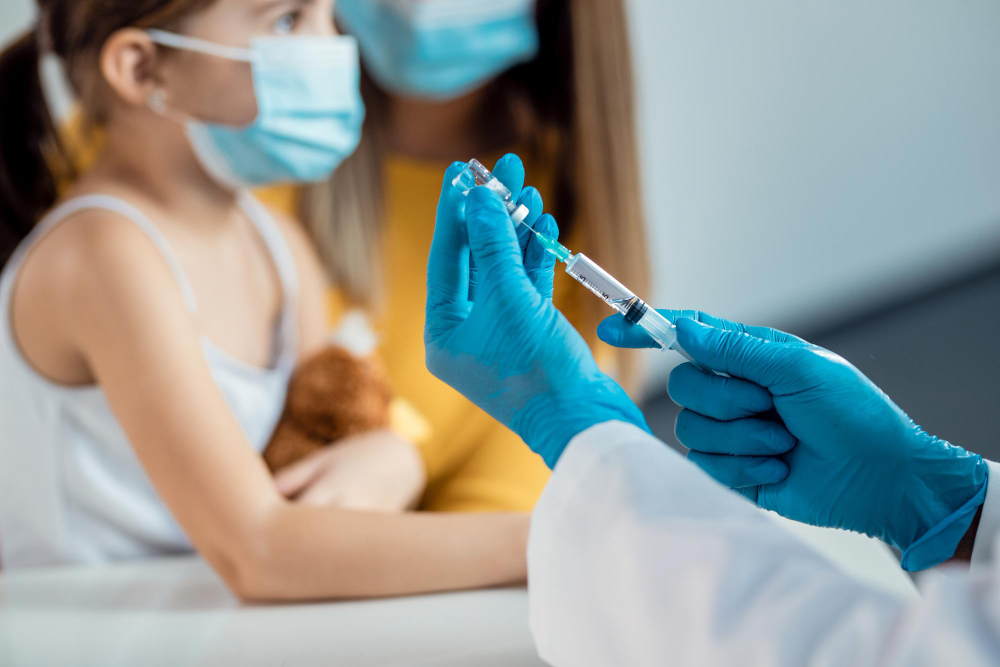
Introduction to Essential Private Vaccines for Kids
Vaccines protect children from many serious diseases. While government programs offer many vaccines, some important ones are only available privately. These are called essential private vaccines for kids. Private vaccines are not always part of the national immunization schedule. However, they can give extra protection against illnesses. Many parents want to know which private vaccines are important and why they matter.
What Are Private Vaccines and Why Do They Matter?
Private vaccines are those not included in the free government vaccination program. Instead, parents can choose to get these vaccines from private clinics or hospitals. For example, some vaccines protect against diseases that are less common but still risky. Because these diseases can cause serious health problems, private vaccines help keep children safer. In addition, private vaccines can fill gaps in protection, especially if your child travels or attends daycare.
List of Essential Private Vaccines for Children
Many doctors recommend certain private vaccines for children. Below is a list of the most important ones:
Each of these vaccines targets a specific disease. Therefore, they help reduce the risk of serious illness in children.
Recommended Ages and Schedules for Private Vaccines
Doctors follow a child vaccination schedule to give vaccines at the right time. Here is a general guide for private vaccines:
However, your doctor may adjust the schedule based on your child’s needs. Always check with your pediatrician for the best timing.
Benefits and Potential Side Effects
Private vaccines offer many benefits. For instance, they protect children from diseases not covered by government vaccines. They also help prevent outbreaks in schools and communities. Most children have only mild side effects, such as:
Serious side effects are rare. But if you notice anything unusual, contact your doctor right away.
How Private Vaccines Differ from Government-Provided Vaccines
Government vaccines are free and cover the most common diseases. In contrast, private vaccines protect against extra illnesses not included in the public program. For example, the government may not offer the flu or HPV vaccine to all children. Private vaccines fill these gaps. While both types are important, private vaccines give extra peace of mind to parents who want more protection for their kids.
Guidance for Parents: Making Informed Vaccination Decisions
Choosing vaccines can feel overwhelming. However, you can make the best choice by:
Remember, your doctor can help you decide which vaccines are right for your child.
Prevention and Community Health Impact
Vaccines do more than protect your child. They also help keep the whole community safe. When more children get vaccinated, diseases have less chance to spread. This is called “herd immunity.” As a result, even those who cannot get vaccines, like newborns or sick children, are safer. Therefore, choosing private vaccines can help protect your family and others around you.
Conclusion: Take the Next Step for Your Child’s Health
In summary, essential private vaccines for kids offer extra protection against serious diseases. They work alongside government vaccines to keep children healthy.If you have questions about private vaccines for children, consult your pediatrician at Sri Sai Clinic. Your doctor can guide you on the best vaccination plan for your child’s needs.