
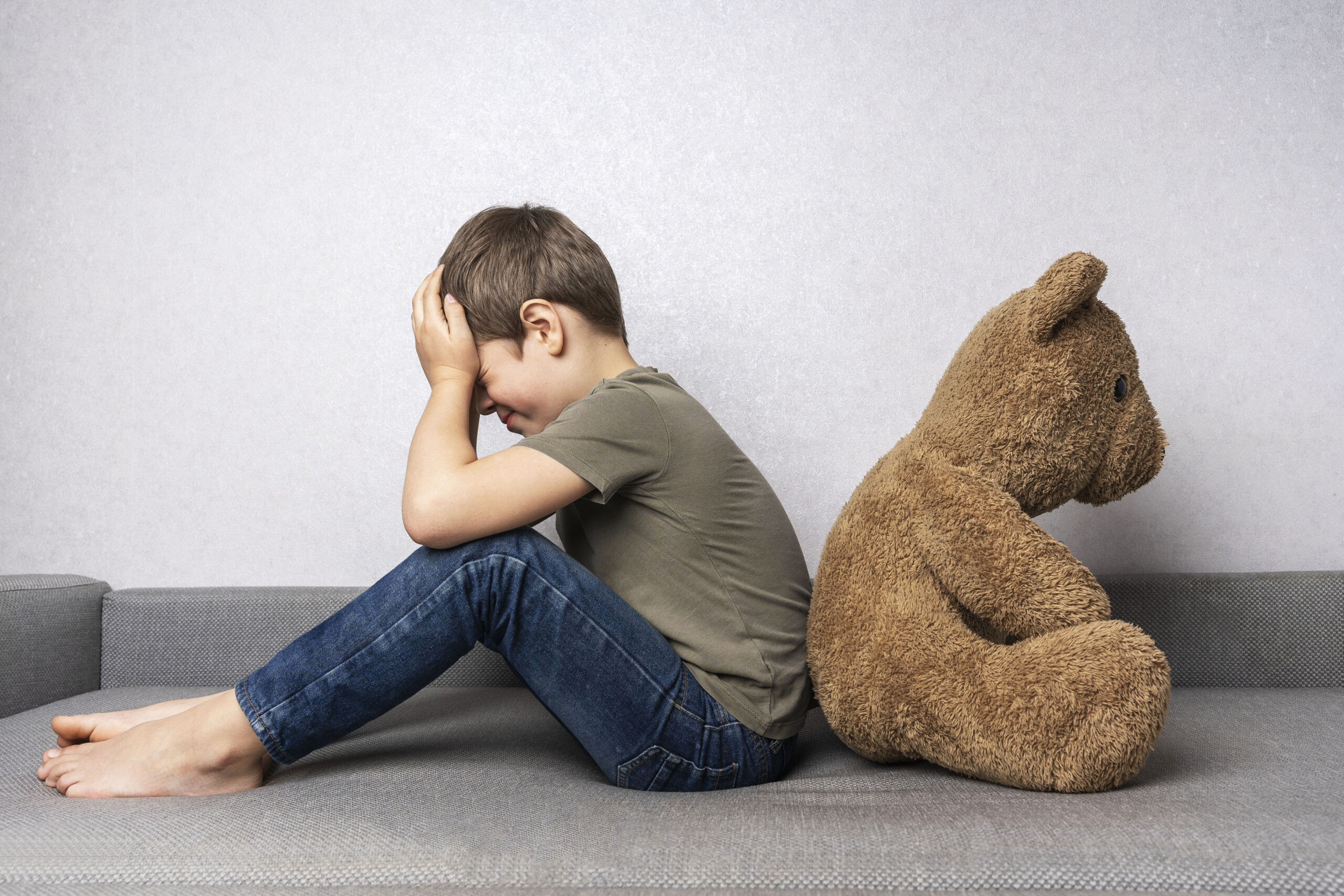
What is Anxiety in Children?
Anxiety in children is a common mental health concern. It means a child feels worried, nervous, or fearful more often than usual. While some worry is normal, ongoing anxiety can affect a child’s daily life. For example, it may impact school, friendships, or family time. Early support can help children manage their feelings and build confidence. According to the CDC, about 7% of children aged 3–17 have diagnosed anxiety. Therefore, understanding childhood anxiety symptoms is important for parents and caregivers.
Common Symptoms of Anxiety in Children
Children may show anxiety in many ways. Sometimes, the signs are easy to miss. However, knowing what to look for can help you support your child. Common symptoms include:
Sometimes, children may not talk about their worries. Instead, they may act out or withdraw. If you notice these signs, it may be time to seek help for anxious children.
Causes and Risk Factors
Many factors can lead to anxiety in children. Some children may be more sensitive by nature. Others may develop anxiety after stressful events. For instance, moving to a new city or starting a new school can trigger worries. Common causes and risk factors include:
Additionally, children in different regions may face unique stressors. For example, natural disasters or community violence can increase anxiety in kids. Understanding these causes helps in managing anxiety in kids effectively.
How Anxiety in Children is Diagnosed
Diagnosing anxiety in children involves several steps. First, a doctor or mental health professional will ask about the child’s feelings and behaviors. They may also talk with parents and teachers. Sometimes, they use simple questionnaires to learn more. The goal is to see if the child’s worries are more than expected for their age. Importantly, the doctor will check if symptoms affect daily life. Early diagnosis can lead to better outcomes. According to the American Academy of Pediatrics, timely help is key for anxious children.
Effective Treatment Options
There are many ways to help children with anxiety. Treatment depends on the child’s age, symptoms, and needs. Common options include:
For many children, a mix of these treatments works best. Always talk to a healthcare provider before starting any treatment for childhood anxiety symptoms.
Lifestyle Tips and Home Strategies
Parents and caregivers play a big role in managing anxiety in kids. Here are some helpful tips:
Moreover, staying patient and supportive can make a big difference. If you need more ideas, many local and online resources offer help for anxious children.
Prevention and When to Seek Help
While not all anxiety can be prevented, some steps may lower the risk. For example, building strong family bonds and teaching coping skills early can help. Also, keeping communication open allows children to share their worries. However, if anxiety starts to affect your child’s daily life, it is important to seek help. Signs that your child may need professional support include:
In summary, early action can prevent anxiety from getting worse. If you are concerned about your child’s anxiety, consult a pediatric specialist at Sri Sai Clinic for personalized guidance.