
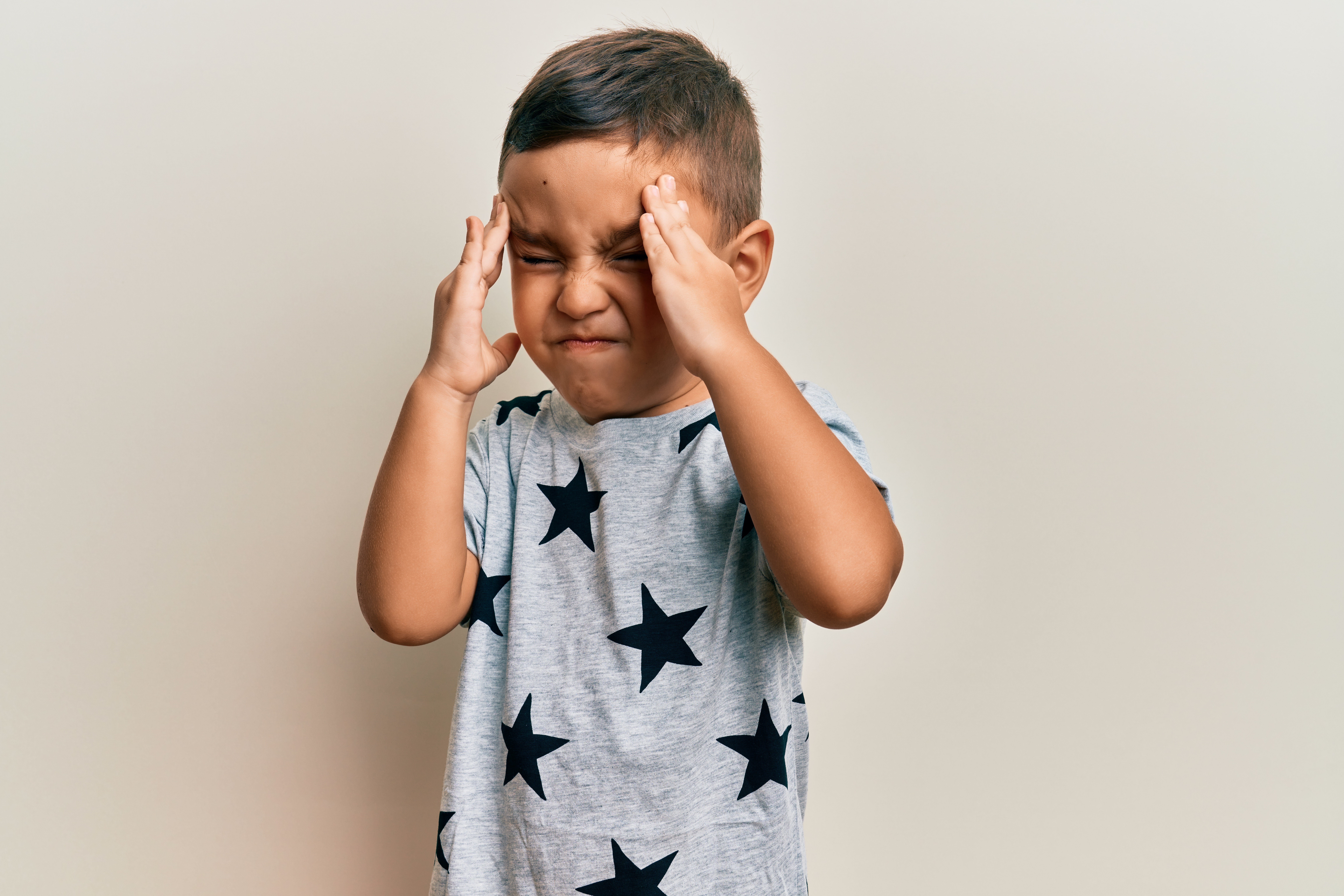
Introduction to Childhood Headaches
Many children experience headaches at some point. In fact, childhood headaches are common and can affect kids of all ages. Sometimes, these headaches are mild and go away quickly. Other times, they can be more serious. Because headaches can worry both children and parents, it is important to understand their causes and treatments.
Common Symptoms of Childhood Headaches
Children may not always describe their pain clearly. However, there are signs you can watch for. For example, a child with a headache may:
Sometimes, children may cry, hold their head, or avoid playing. Because symptoms can vary, it helps to pay close attention to your child’s behavior.
Main Causes and Risk Factors
There are many reasons why children get headaches. Some causes are simple, while others need medical care. Common causes include:
In rare cases, headaches can be a sign of a more serious problem. For example, a head injury or an infection in the brain may cause headaches. However, most headaches in children are not dangerous.
Diagnosis: How Doctors Identify Childhood Headaches
Doctors use several steps to find out why a child has headaches. First, they ask about the child’s symptoms and medical history. Next, they may do a physical exam. Sometimes, doctors ask about:
In most cases, no special tests are needed. However, if the doctor suspects a serious cause, they may order blood tests or brain scans. According to the American Academy of Pediatrics, most childhood headaches can be diagnosed without imaging.
Treatment Options for Childhood Headaches
Treating headaches in children depends on the cause. Often, simple steps at home can help. For example, you can:
Sometimes, over-the-counter pain medicine like acetaminophen or ibuprofen can help. However, always check with your doctor before giving any medicine. If headaches are frequent or severe, a doctor may suggest other treatments or refer you to a specialist.
Lifestyle Tips and Prevention Strategies for Parents
There are ways to help prevent headaches in children. For instance, you can:
Because triggers can be different for each child, keeping a headache diary may help. This can show patterns and help your doctor find the cause.
When to Seek Medical Attention
Most childhood headaches are not serious. However, you should call a doctor if your child:
If you are unsure, it is always better to ask your pediatrician for advice.
Conclusion
Childhood headaches are common and often manageable with the right care. While most headaches are not serious, recurring or severe symptoms should never be ignored. For accurate diagnosis and expert pediatric care, consult the specialists at Sri Sai Clinic. Early medical attention can help identify the cause, relieve your child’s discomfort, and support their overall health and well-being.